Written for packing and dispatch supervisors
Garment & Textile Packaging
Clarity that sells the garment through the bag
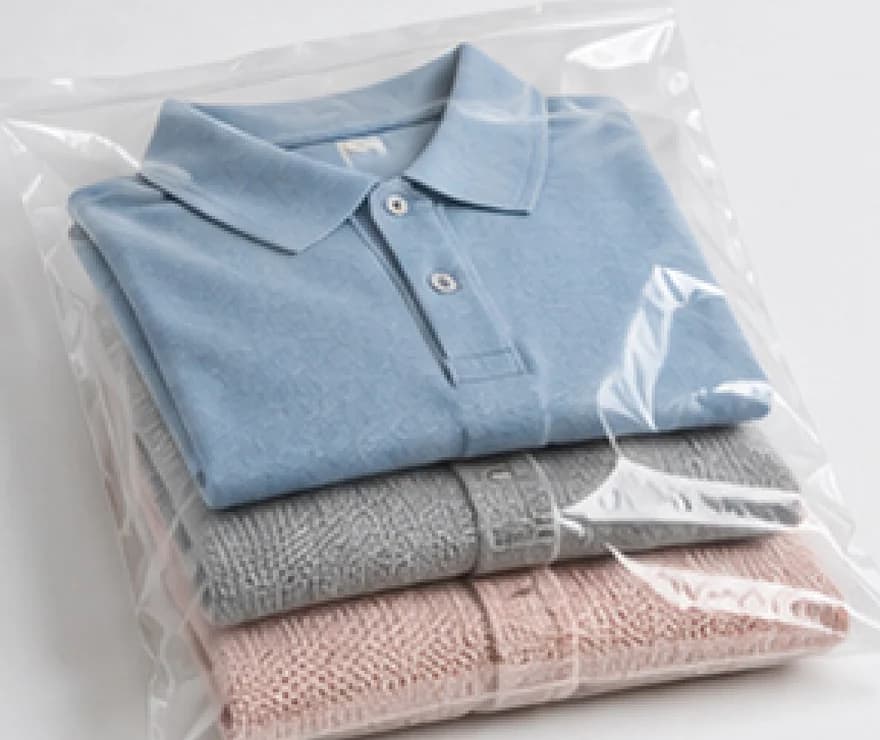
A folded garment is judged through its bag. Hazy film makes good fabric look cheap, and a bag that creases badly on the shelf undoes the pressing you just paid for.
The other half of the job is throughput. A packing line moves at the speed of its slowest step, and a bag with a ragged mouth or an inconsistent opening is that step. We cut clean and we hold the gauge.
What actually matters here
The four things packing and dispatch supervisors ask about
High clarity
Virgin granules and a clean die give film you can read a size label through — no haze, no yellowing on the shelf.
Opens first time
A clean square-cut mouth so operators are not fighting the bag between garments.
Right thickness
Heavy enough not to split at the seam, light enough that you are not paying for film the garment does not need.
Branding
Two-colour in-house print puts your label on the bag without adding a week to the lead time.
Where we would start
A specification for garment & textile
Send us a folded sample and we will size the bag to it — most garment units are running a stock size an inch or two too big.
| Product | Thickness | Why | |
|---|---|---|---|
| Plain polybags | 30 – 50 micron | Folded garments, shirts and knitwear. | Specify → |
| Printed polybags | 40 – 60 micron | Retail-facing packs carrying your brand. | Specify → |
| LD / HD custom sizes | 25 – 75 micron | Sized to your folded dimension instead of a stock approximation. | Specify → |
Talk to a partner
Tell us what you pack. We'll tell you what it needs.
Ashwani Thakur handles specification and samples, and answers within 4 working hours. No form-filling required — a photograph of the bag you use today is usually enough to get started.
Other industries
All industries
Pharmaceutical
QA and packaging development
Material provenance you can put in a file
What they need →
Food & grocery
Production and quality supervisors
Food-contact film, and a seal that holds
What they need →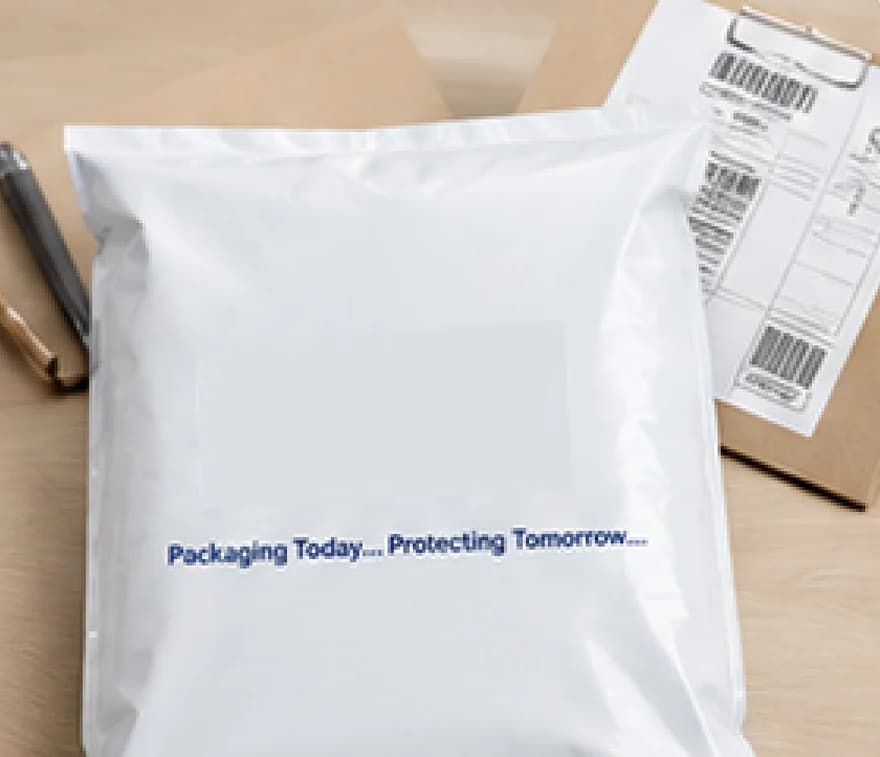
E-commerce & courier
Operations and packaging leads
Survives the network, carries your brand
What they need →