Barotiwala · Baddi · Himachal Pradesh
Packaging today.
Protecting tomorrow.
LLDPE polybags made inside the Baddi belt — plain, printed, zip lock, gusset and coloured, in any size from 15 to 200 micron. Close enough to deliver the same day, and specific enough to quote in microns.
- 0μ
- maximum thickness
- 0
- bag types
- 0kg
- a day

Inside the unit
Barotiwala, Baddi
See it running
A supplier you can watch work.
Most packaging is bought from a photograph and a rate. We would rather you saw the line — the granule going in, the film coming off the die, the seal being made. It tells you more about a supplier than any brochure can.
And if the film is not enough, the unit is a short drive from most of the belt. Come and stand next to it.
Why buy from Barotiwala
Your polybags shouldn't travel further than you do.
A polybag is the worst thing you can put on a truck: bulky, light and cheap. Freight from Delhi or Ahmedabad eats the saving before the pallet is unloaded, and adds a week you did not budget for.
We are inside the Baddi–Barotiwala–Nalagarh belt, where 2,150+ industrial units — including 700+ pharmaceutical plants, Asia's largest such cluster — run every day. Most of our customers are a short drive away.
That is not a marketing advantage. It is arithmetic: lower landed cost, samples in days, and a supplier your stores team can physically visit when a line is down.
2,150+
industrial units in the BBN belt
700+
pharmaceutical units — Asia's largest cluster
150+
FMCG companies, plus 80+ herbal and nutraceutical
100,000+
people working in the corridor
What that means for you
Stock sizes reach most of the belt in 2–3 working days. Samples go out free. Free delivery across the BBN belt on orders above 200 kg. And if something is wrong with a batch, you can be standing on our floor the same morning.
The range
Six bags, and an honest answer about which one you need
Every product page says what the bag is for — and what it is not for. If a plain bag would serve you better than a printed one, we would rather tell you now than lose you later.
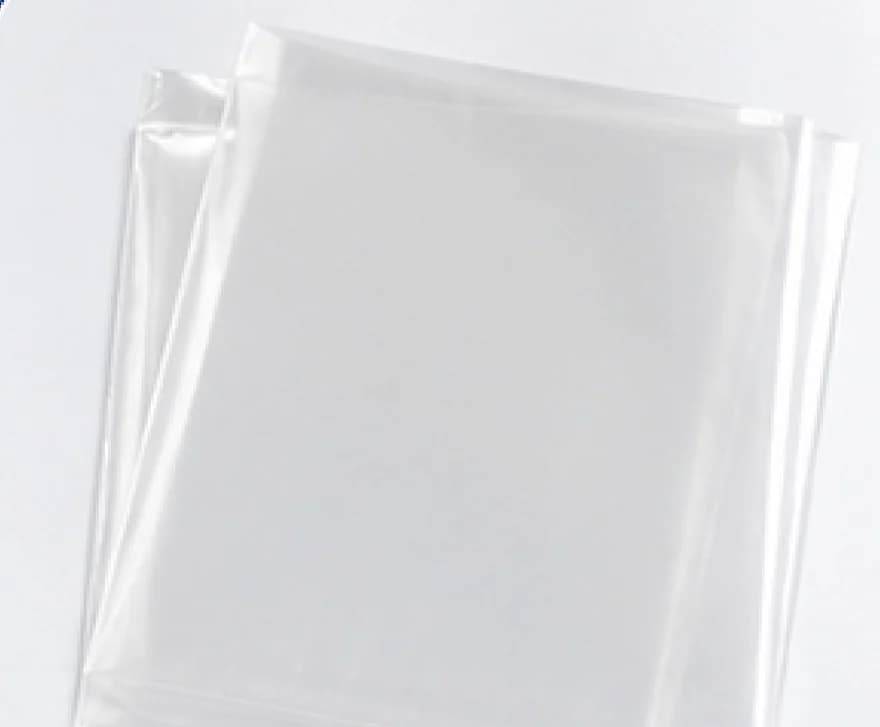
Plain Polybags
High-volume packing where clarity and consistent thickness matter more than branding.
15 – 200 micron (60 – 800 gauge)
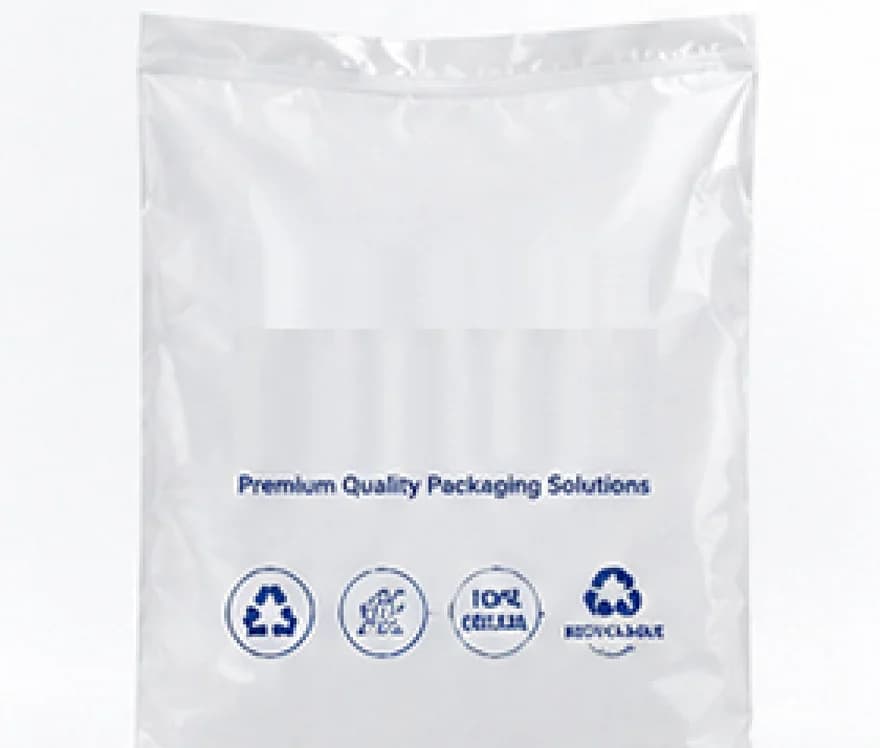
Printed Polybags
Retail, D2C and dispatch packing where the bag is part of the brand experience.
25 – 150 micron (100 – 600 gauge)
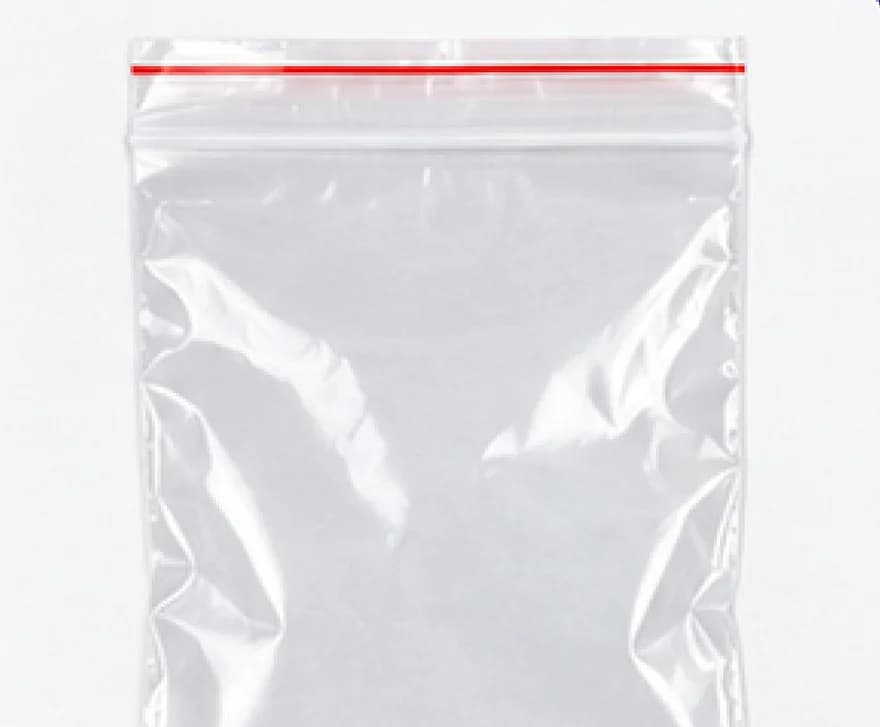
Zip Lock Bags
Anything opened and reclosed repeatedly — samples, spares, dispensing, retail packs.
40 – 125 micron (160 – 500 gauge)
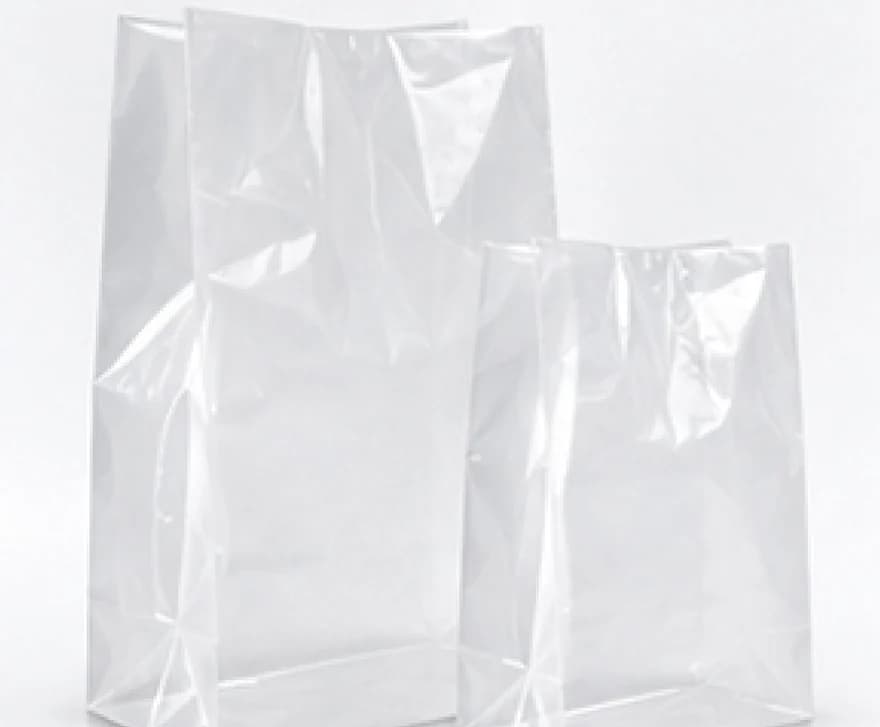
Gusset Bags
Bulky or three-dimensional contents that a flat bag would strain around.
30 – 200 micron (120 – 800 gauge)
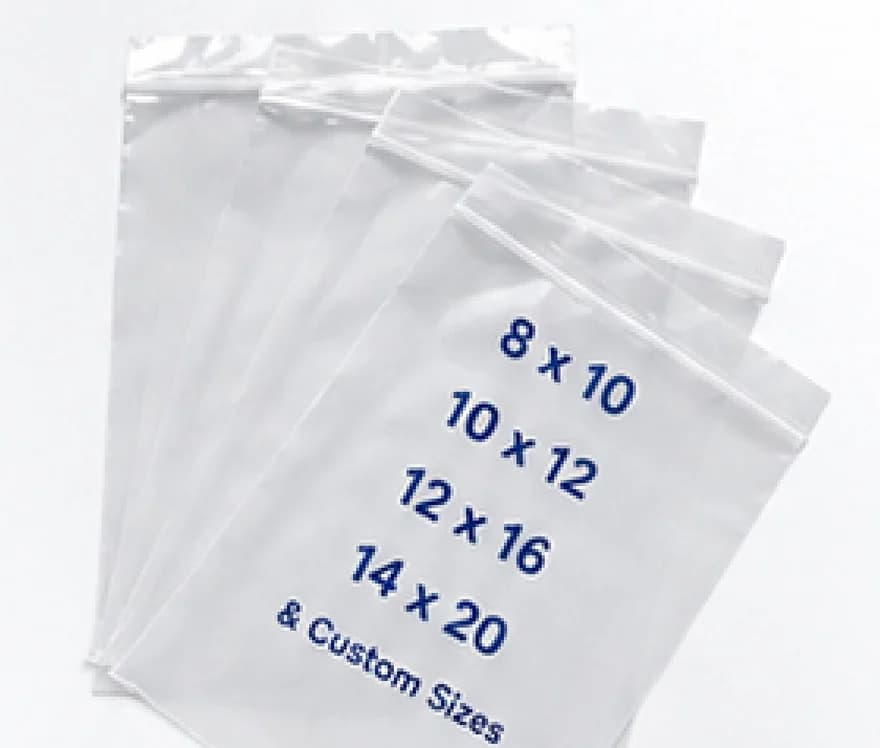
LD / HD Custom Sizes
Anyone currently buying a stock size that is slightly wrong and paying for the difference.
15 – 200 micron (60 – 800 gauge)
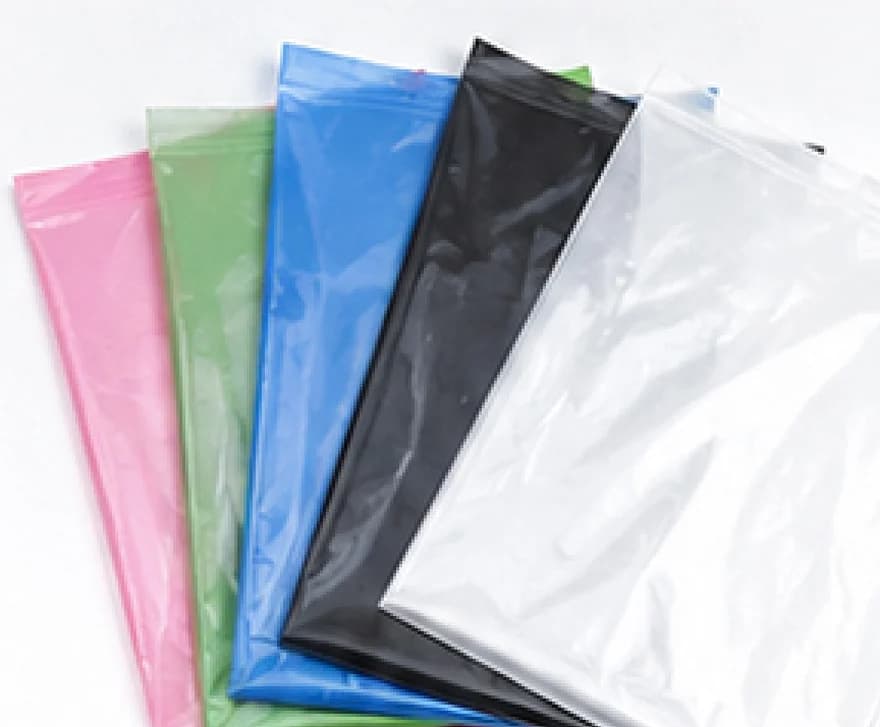
Coloured Polybags
Colour-coded operations, light-sensitive contents, and dispatch where privacy matters.
Black, blue, green, red, pink, yellow, white
The material
LLDPE lets you buy a thinner bag that works harder.
Linear low-density polyethylene has meaningfully higher tensile strength and far better puncture and tear resistance than ordinary LDPE. In a warehouse that translates into one thing: the bag survives handling.
LLDPE's practical advantage is that it can often be run thinner than LDPE for the same job. A bag that needs 60 micron in LDPE may perform at 50 in LLDPE — about 17% less film, which is 17% less cost per bag and 17% less plastic entering the waste stream. We will tell you when that applies to your specification, even though it means selling you fewer kilograms.
Durable & strong
High tensile strength and real puncture resistance — the two properties a packing line actually tests.
Premium quality
100% virgin film-grade granule. No recycled content, no unknown additives, no surprises in a seal.
Moisture resistant
A genuine moisture barrier, which matters in a region that swings from dry to monsoon.
100% recyclable
Single-material polyethylene, resin code 4 — no laminate layers to separate before recovery.
Who we supply
Six industries, six different definitions of a good bag
A garment exporter and a QA head mean completely different things by “moisture resistant”. Each page below is written for the person who actually signs off the packaging.
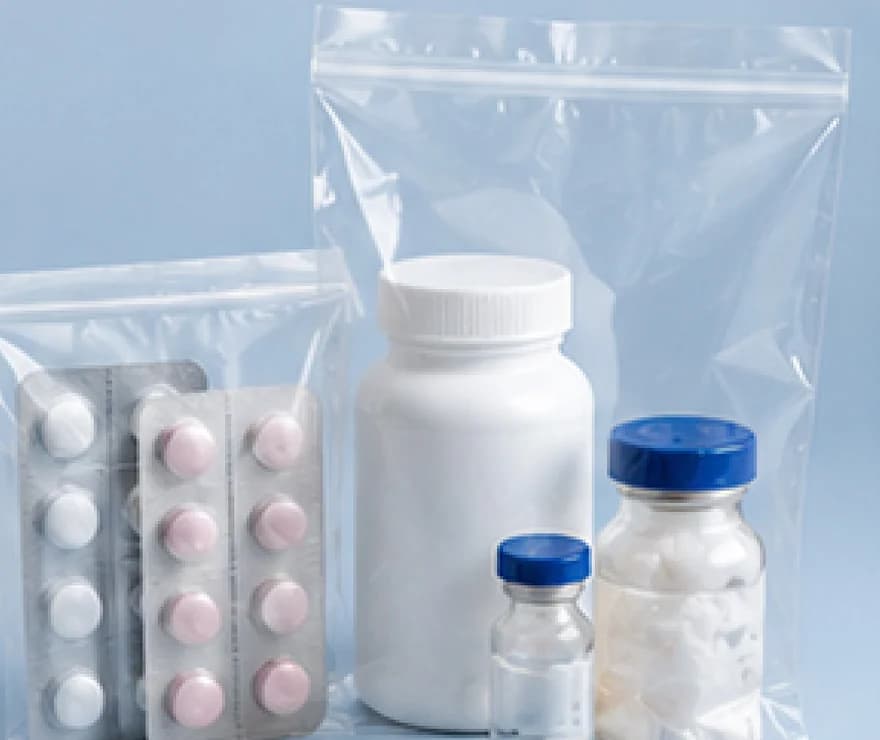
Pharmaceutical
QA and packaging development
Material provenance you can put in a file
What they need →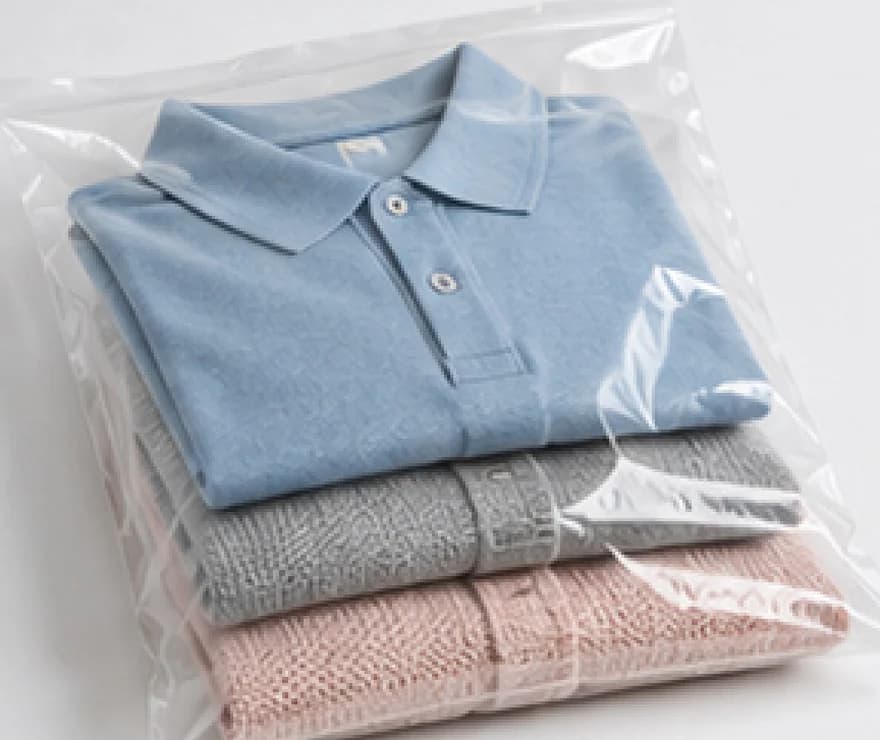
Garment & textile
Packing and dispatch supervisors
Clarity that sells the garment through the bag
What they need →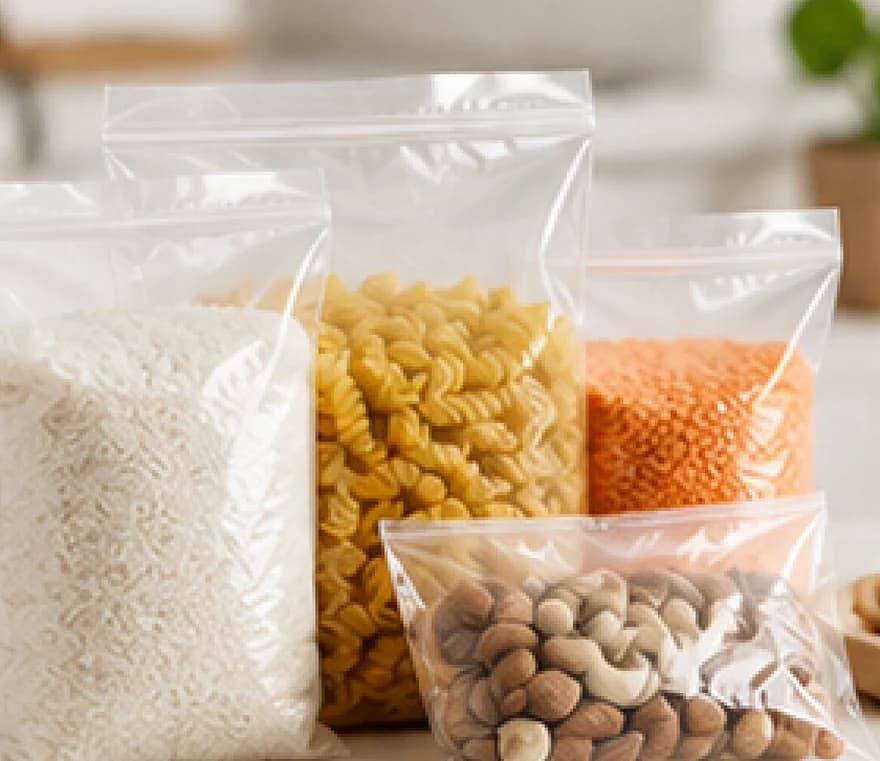
Food & grocery
Production and quality supervisors
Food-contact film, and a seal that holds
What they need →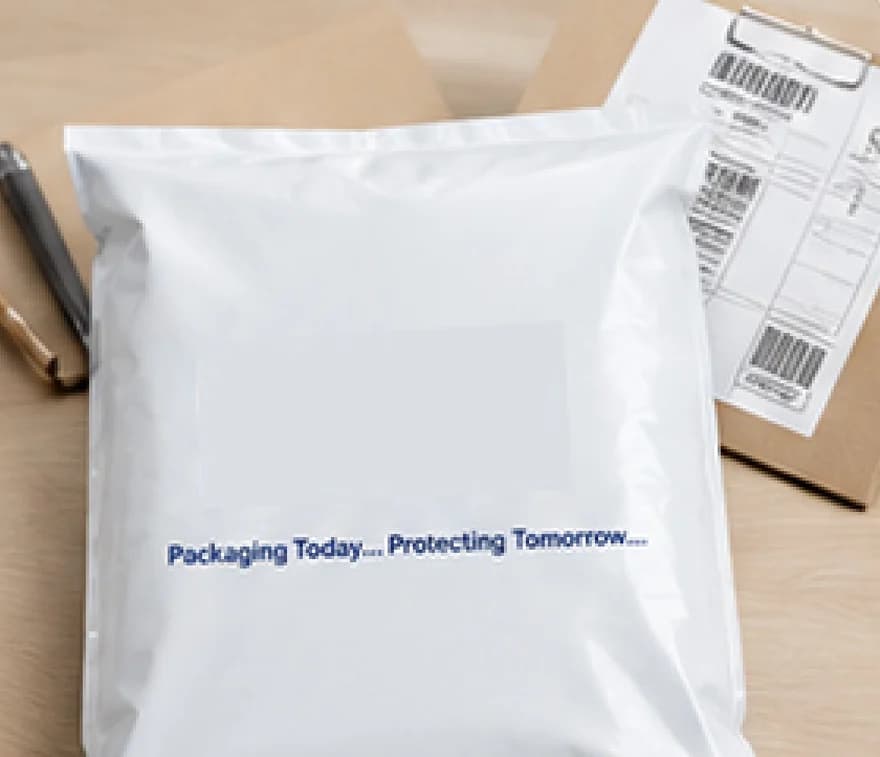
E-commerce & courier
Operations and packaging leads
Survives the network, carries your brand
What they need →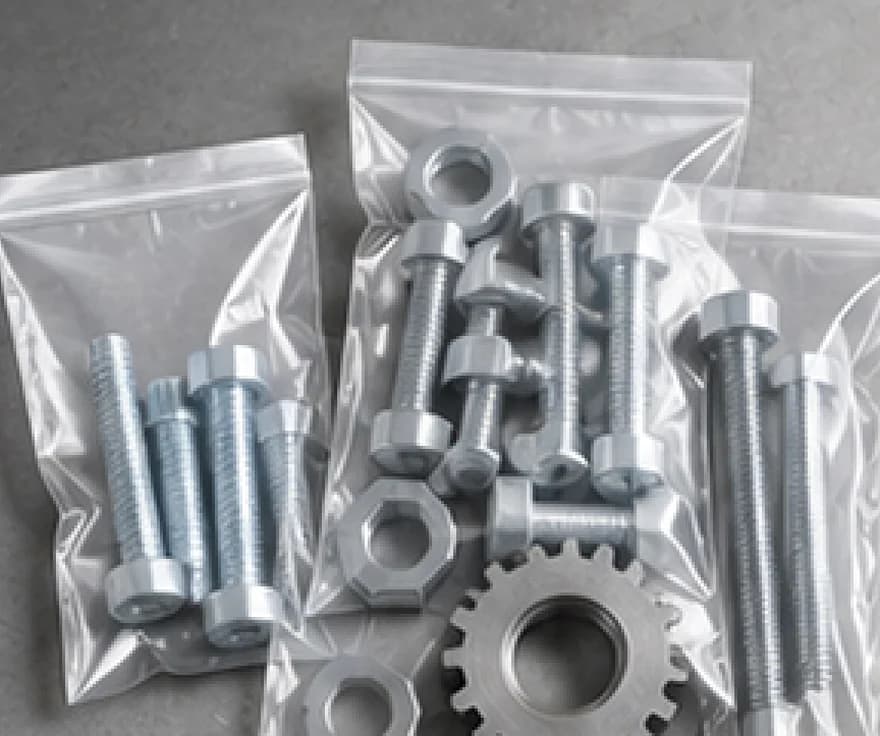
Industrial & hardware
Stores and dispatch managers
Sharp, heavy, oily — the hard cases
What they need →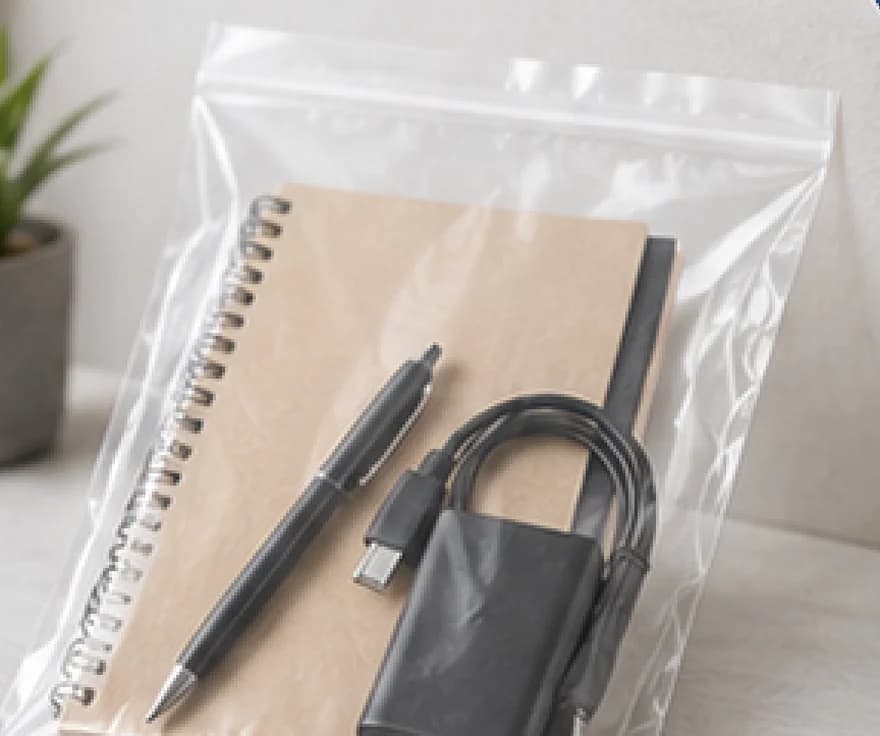
General purpose
Purchase and admin
The bags every unit needs, without the runaround
What they need →How it's made
Granule to gusset
Five steps, and the one thing that matters most at each. The full sequence — with the film line running — is on the quality page.
01
Granule intake
It starts with what we refuse to buy.
Every batch is 100% virgin LLDPE film-grade granule. We do not run reprocessed or recycled material — it carries unknown additives and an unknown thermal history, and neither belongs in a bag that touches food or medicine. Granule grade is recorded against the batch.
100% virgin · IS 10146 film grade
02
Extrusion
Melt, blow, and hold the gauge.
Granules melt and are blown into a continuous tube of film. The variable that matters is thickness consistency across the web — a bag that measures 45 micron where it should be 50 is a tenth of your money missing on every kilogram. Gauge is checked through the run, not just at the start.
2 extrusion lines · 15–200 micron
03
Printing
Where the bag becomes yours.
Printed work goes through our own line, up to two colours. Doing it in-house means your artwork does not queue at a third party, and when registration drifts we stop rather than ship. A digital proof goes out before every first run.
In-house · up to 2 colours
04
Sealing & cutting
The step that decides whether the bag works.
Film is sealed and cut to the specified size. Seal quality is the most common failure point in a cheap bag — under-fused and it peels, over-fused and the film goes brittle right at the weld. Gusseted bags seal through four layers and need longer dwell, so they run slower on purpose.
4 sealing machines
05
Check, count, dispatch
Weighed, counted, and out into the belt.
Bags are checked for seal integrity and dimension, then packed by weight and counted. Because we are inside the BBN belt, dispatch is a short drive rather than a freight booking — stock sizes reach most customers the same or next day.
2–3 working days for stock sizes
Buyer tools
Polybags are sold by the kilo and used by the piece.
That conversion is the single most common source of confusion in this trade, and almost nobody makes it easy. These six tools are free, they need no sign-up, and they carry your numbers straight into a quote request.
Bag weight & cost
Size and micron in, bags per kilo and cost per bag out. The conversion nobody makes easy.
Open →Micron · gauge · mil
Convert all three, and get a recommended thickness from what the bag has to hold.
Open →Material selector
Four questions, then LD, LLD or HD — with the trade-off explained.
Open →Bag size finder
Product dimensions in, bag size out, with seal and headspace allowance added.
Open →Compliance checker
Does the 120-micron rule apply to your bag? Three questions.
Open →Print estimator
Colours, coverage and artwork checklist — turns "can you print our logo" into a spec.
Open →Start with samples
Hold the bag before you buy a hundred kilos of it.
Tell us what you pack and we will send samples in the sizes and thicknesses that actually suit it — free, anywhere in the BBN belt. No commitment, and no salesperson calling you every week afterwards.